
Medical Cleaning Services: Ensure A Safe & Hygienic Healthcare Facility
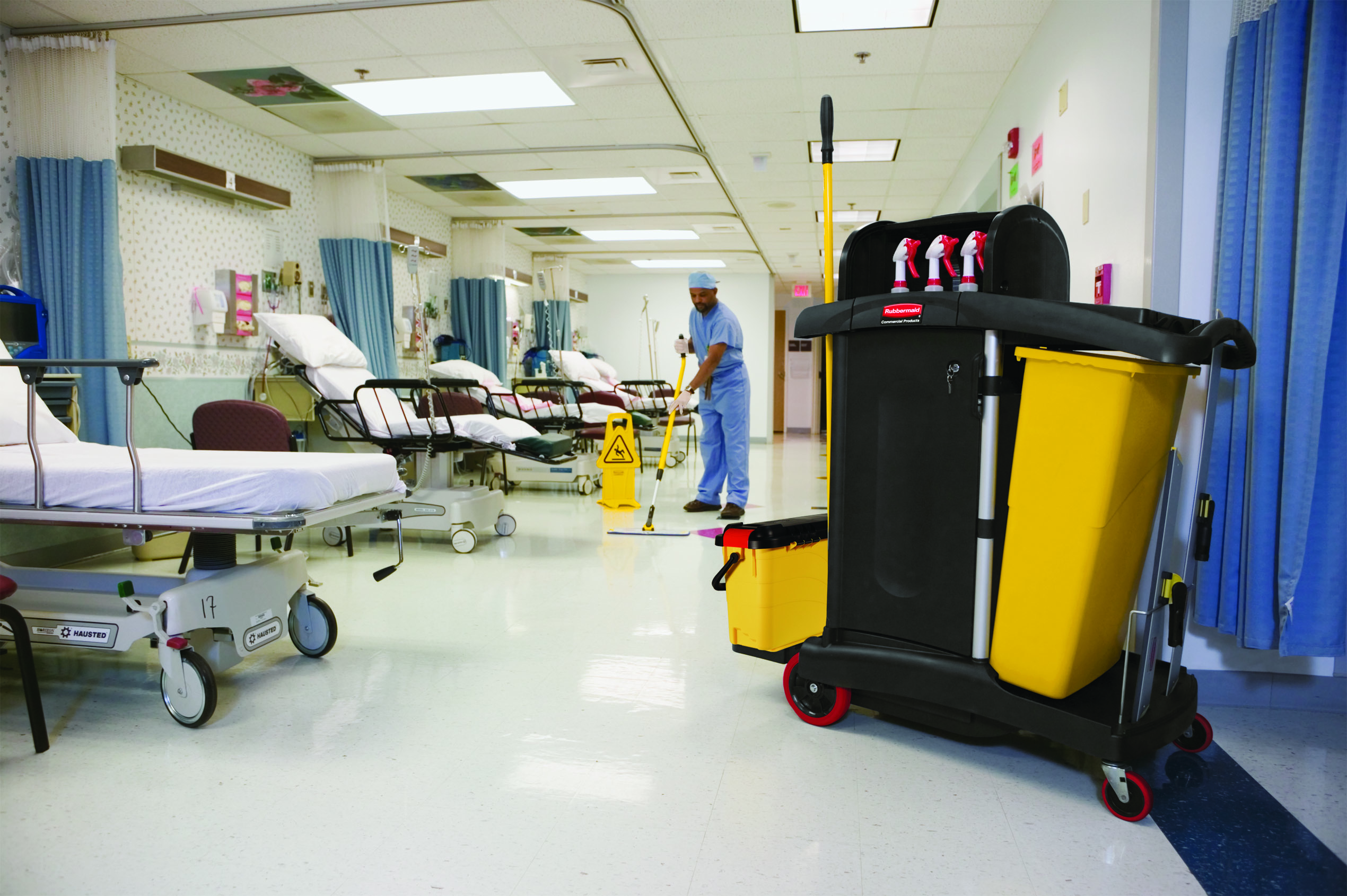
In healthcare settings, cleanliness isn't just about looking good. It's about saving lives. Medical cleaning services play a vital role in stopping the spread of germs and disease.
Regular cleaning with hospital-grade disinfectants keeps high-touch surfaces free from harmful pathogens. Without proper cleaning, healthcare-associated infections can put patients at risk and slow their healing.
As a facility manager with ten years in healthcare cleaning, I've seen how proper disinfection directly impacts patient safety. Medical cleaning differs greatly from standard office cleaning.
It requires special training, strict protocols, and the right equipment to meet CDC guidelines. The stakes are high for medical facility cleanliness. Lives depend on it.
Key Takeaways
Medical cleaning stops the spread of germs in healthcare settings and helps save lives.
High-touch surfaces need multiple cleanings each day with hospital-grade disinfectants to prevent infections.
Terminal cleaning happens after a patient leaves or between surgeries, requiring staff to wear PPE and follow strict protocols.
New tools like electrostatic sprayers and ATP testing help reach hard-to-clean spots and verify surfaces are truly clean.
Professional cleaning teams with proper training can reduce infection rates by up to 30% while helping facilities meet CDC and OSHA rules.
Key Components of Medical Cleaning Services
Medical cleaning services follow strict rules to keep patients safe. These key steps must be done right to stop germs from spreading in health centers.
What is high-touch surface disinfection and why is it important?
High-touch surface disinfection targets areas that people touch often in healthcare settings. These spots include exam tables, door handles, light switches, counters, chairs, and medical equipment.
Cleaning staff must use hospital-grade, EPA-approved chemicals to kill 99.9% of viruses and bacteria on these surfaces. Color-coded microfiber cloths and mops help stop cross-contamination during the cleaning process.
This system keeps germs from moving between different areas of a medical facility.
This cleaning approach plays a key role in infection control and public health safety. High-touch areas need multiple cleanings each day to cut the risk of healthcare-associated infections (HAIs).
The spread of diseases drops when staff clean these spots right. Some facilities now use advanced tools like the EnviroShield electrostatic system for better coverage. This non-toxic method reaches all surface areas, even hard-to-clean spots, making healthcare spaces safer for patients, staff, and visitors.
How is terminal cleaning performed in patient and operating rooms?
Terminal cleaning plays a vital role in healthcare safety. This deep cleaning process happens after a patient leaves or between surgeries to stop the spread of germs.
Staff puts on personal protective equipment (PPE) before starting the cleaning process to guard against bloodborne pathogens.
All disposable items from the room get removed and placed in proper medical waste containers for safe disposal.
Cleaning teams wipe down all high-touch surfaces like bed rails, door handles, and light switches with EPA-registered disinfectants that kill 99.9% of germs.
Special attention goes to surgical areas where strict protocols match CDC and AORN guidelines for hospital environments.
Teams use color-coded cleaning microfiber cloths for each zone to prevent cross-contamination between areas.
Floors get mopped with hospital-grade disinfectants, moving from the cleanest areas to the dirtiest.
Advanced technologies like electrostatic sprayers help reach hard-to-clean spots and improve disinfection coverage.
HEPA filtration systems may run during and after cleaning to capture 99.97% of airborne pathogens.
Sharps and hazardous materials get handled according to OSHA and healthcare regulations.
What are the best practices for proper waste management and disposal?
Proper waste management builds on thorough terminal cleaning to create a safe healthcare space. Medical waste needs careful handling to stop disease spread and keep healthcare workers safe.
Best Practices for Proper Waste Management and Disposal:
Use color-coded waste bags for different types of medical waste. Red bags mark biohazardous waste while yellow often signals chemotherapy waste.
Train all cleaning staff in bloodborne pathogen standards to protect them during waste handling. Our teams get full training on safety rules.
Place sharps containers in all patient care areas to stop needle sticks. These rigid boxes must be sealed when three-quarters full.
Wear proper personal protection equipment like gloves, masks, and gowns when handling any medical waste. This stops contact with harmful germs.
Keep clear records of all waste disposal actions. Good records help show you follow health rules.
Store waste in marked, leak-proof bins away from public areas. Waste should stay locked until pickup.
Work with licensed medical waste haulers who know how to handle biohazards safely. Ask for proof of proper permits.
Set up regular pickup times based on how much waste your facility makes. Don't let waste pile up.
Post clear signs about waste sorting rules in all staff areas. This helps stop mixing of regular and medical waste.
Check waste areas daily for spills or leaks that need quick cleanup. Fast action stops germs from spreading.
Advanced Cleaning Technologies
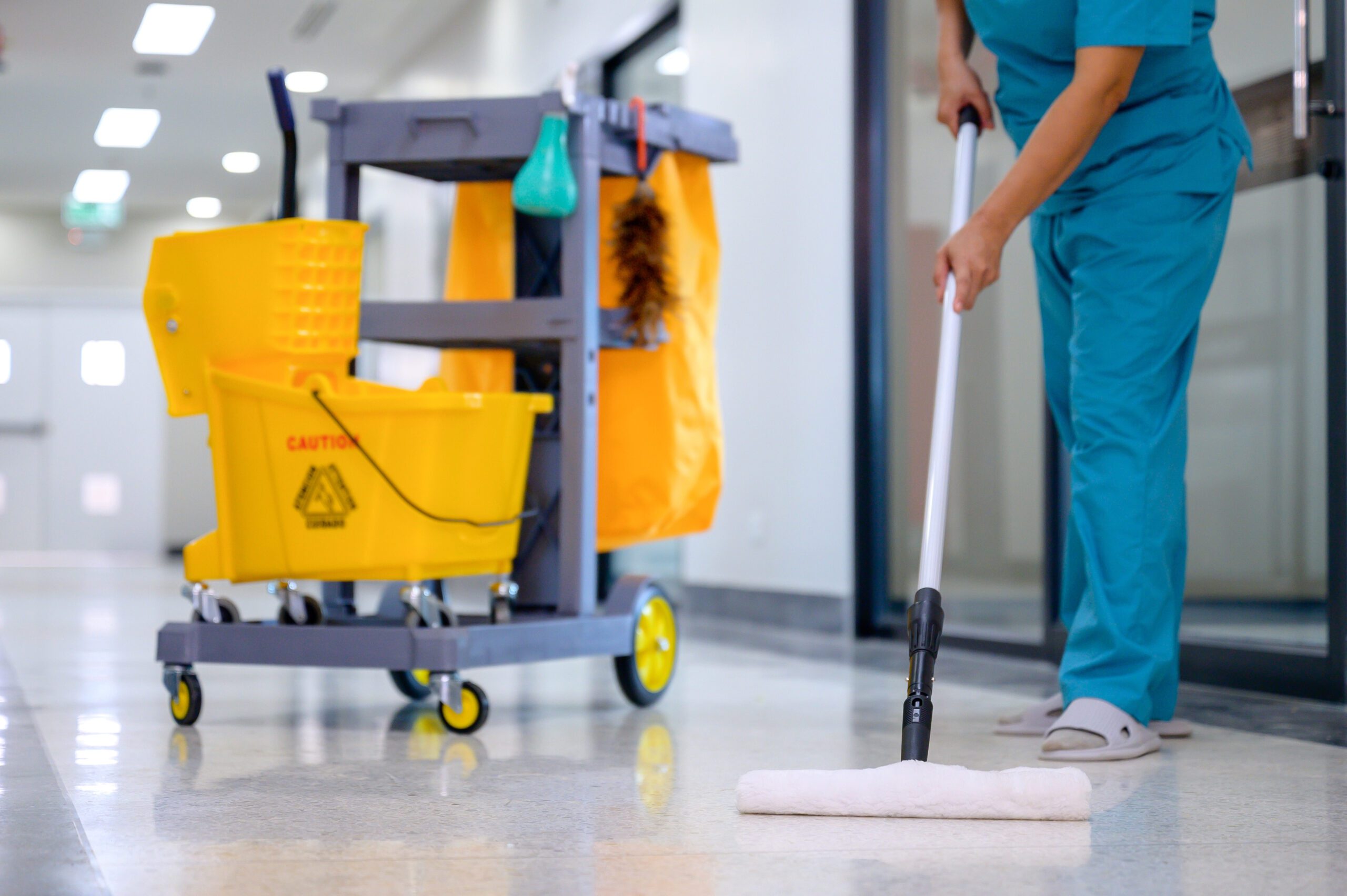
Modern medical cleaning uses cutting-edge tools to fight germs in healthcare spaces. New tech like UV light systems and microfiber materials help cleaning teams reach higher safety standards.
How does electrostatic spraying enhance cleaning effectiveness?
Electrostatic spraying boosts cleaning power in healthcare settings through its complete coverage method. This EPA-approved system kills 99.9% of viruses and bacteria using charged particles that stick to surfaces.
The spray wraps around objects to reach spots that normal cleaning misses. Many hospitals and medical centers now use this technology as part of their infection prevention plans.
Cleaning teams apply hospital-grade disinfectants with electrostatic devices for better results in high-risk areas. The system works well in busy places like urgent care centers and dental offices where germs spread easily.
Staff can clean large areas faster with less work, making the whole facility safer. This technology helps maintain sanitary conditions and stops disease transmission in healing environments.
What is ATP testing and how does it ensure cleanliness?
ATP testing serves as a powerful tool in healthcare sanitation. This science-based method measures adenosine triphosphate, an energy molecule found in all living cells. Medical cleaning teams use ATP testing to detect organic material that might remain on surfaces after cleaning.
The test works simply: staff swab a surface, insert the swab into a testing device, and get results in seconds. These instant readings help prevent the spread of infectious disease by showing if harmful germs might still be present.
Professional cleaning companies now include ATP testing as part of their quality control measures. The test helps facility managers verify that high-touch areas in healthcare facilities meet strict cleanliness standards.
Many hospitals, dialysis centers, and dentist offices rely on these tests to reduce healthcare associated infections. Our teams have seen dramatic improvements in cleaning effectiveness when using ATP verification alongside other disinfecting methods.
This testing creates a safer environment for patients, nurses, and all healthcare workers by ensuring surfaces are truly clean, not just looking clean.
Benefits of Professional Medical Cleaning
Professional medical cleaning offers vital protection against harmful germs in healthcare settings. Expert cleaners use proper methods to keep patients safe while meeting strict health rules.
How does professional cleaning prevent infections?
Professional medical cleaning directly reduces healthcare-associated infections through evidence-based protocols. Trained teams target high-touch surfaces where germs spread, breaking the chain of infection.
These experts use specialized disinfection methods for different areas like intensive care units and operating rooms. Their work creates a safer environment for patients to heal faster.
Continuous cleaning of high-touch surfaces is the frontline defense against pathogen transmission in healthcare settings.
Medical cleaning crews have proper training to handle bodily fluids and hazardous materials safely. They follow strict regulatory compliance standards that regular cleaning staff might miss.
Facilities can see infection rates drop 30% after implementing daily disinfection of all patient areas. Advanced sanitizing technologies target the specific pathogens that cause illness in health facilities.
This thorough approach helps everyone from primary care offices to surgery centers maintain the highest levels of hygiene and safety.
Why is compliance with healthcare regulations critical for medical facilities?
Professional cleaning stops infections, and proper rules keep facilities safe too. Medical facilities must follow CDC, OSHA, AORN, and Joint Commission standards to stay open. These rules protect patients from contagious diseases and blood-borne pathogens.
Regular facilities that skip these steps put health centers at risk for big fines and legal trouble.
Medical cleaning teams get special training to meet all health and safety laws. They keep records with photos and logs of all cleaning work done. Programs like MedMetrix help track that waste gets thrown away right and patient privacy stays intact.
This helps the facility score better on health ratings and builds trust. Smart facility managers know that good cleaning teams help them avoid legal risks while keeping their health facility clean.
Final Thoughts
Medical cleaning services play a vital role in keeping healthcare spaces safe for everyone. Clean facilities help stop germs from spreading and keep patients from getting sick during their care.
Proper cleaning methods, like using special sprays and testing surfaces, make sure all harmful germs are gone. Your choice of cleaning service affects patient health, staff safety, and your facility's good name.
Smart facility managers know that expert cleaning is not a cost to cut but a key part of good healthcare.
Medical Cleaning Services FAQs
1. Why are healthcare cleaning services important for medical facilities?
Healthcare cleaning services are vital for preventing the spread of contagions in medical settings. They keep patients and staff healthy by removing dust and germs from all areas. Proper cleaning in hospitals, nursing homes, and outpatient centers helps with disease control.
2. How often should medical facilities be disinfected?
Medical facilities need daily disinfection of high-touch areas like restrooms and waiting rooms. Laboratories and surgical areas require cleaning after each use. Facility management should create schedules based on traffic and risk levels.
3. What training do medical cleaning staff need?
Cleaning staff must learn about hazmat handling and proper disinfection methods. They need training on when to wash their hands and how to clean different healthcare spaces. This includes special methods for veterinarians' offices and dental clinics.
4. What are the benefits of outsourcing medical cleaning services?
Outsourcing cleaning saves money on equipment and training costs. Professional cleaners understand healthcare adherence standards better than general janitors. They also provide consistent service with proper documentation.
5. How can patients know if a healthcare facility is properly cleaned?
Patients can look for cleaning schedules posted in public areas. Some facilities send text messages confirming cleaning before appointments. Patients always have the right to ask about cleaning protocols before giving consent for treatment.


